
Varicose vein treatment, without surgery
Many patients live with leg heaviness, swelling, and bulging veins for years, assuming the problem is cosmetic or that treatment means surgery and a long recovery. Neither is true. Dr. Nidal Elbaridi performs your vein procedure himself, in the office, and you go home the same day.
Opens our secure booking calendar — this page stays open.
Workers’ Comp, HMO referral or complex insurance? Call (312) 414-1088.
- Same-week appointments
- In-office, under an hour
- Most insurance accepted
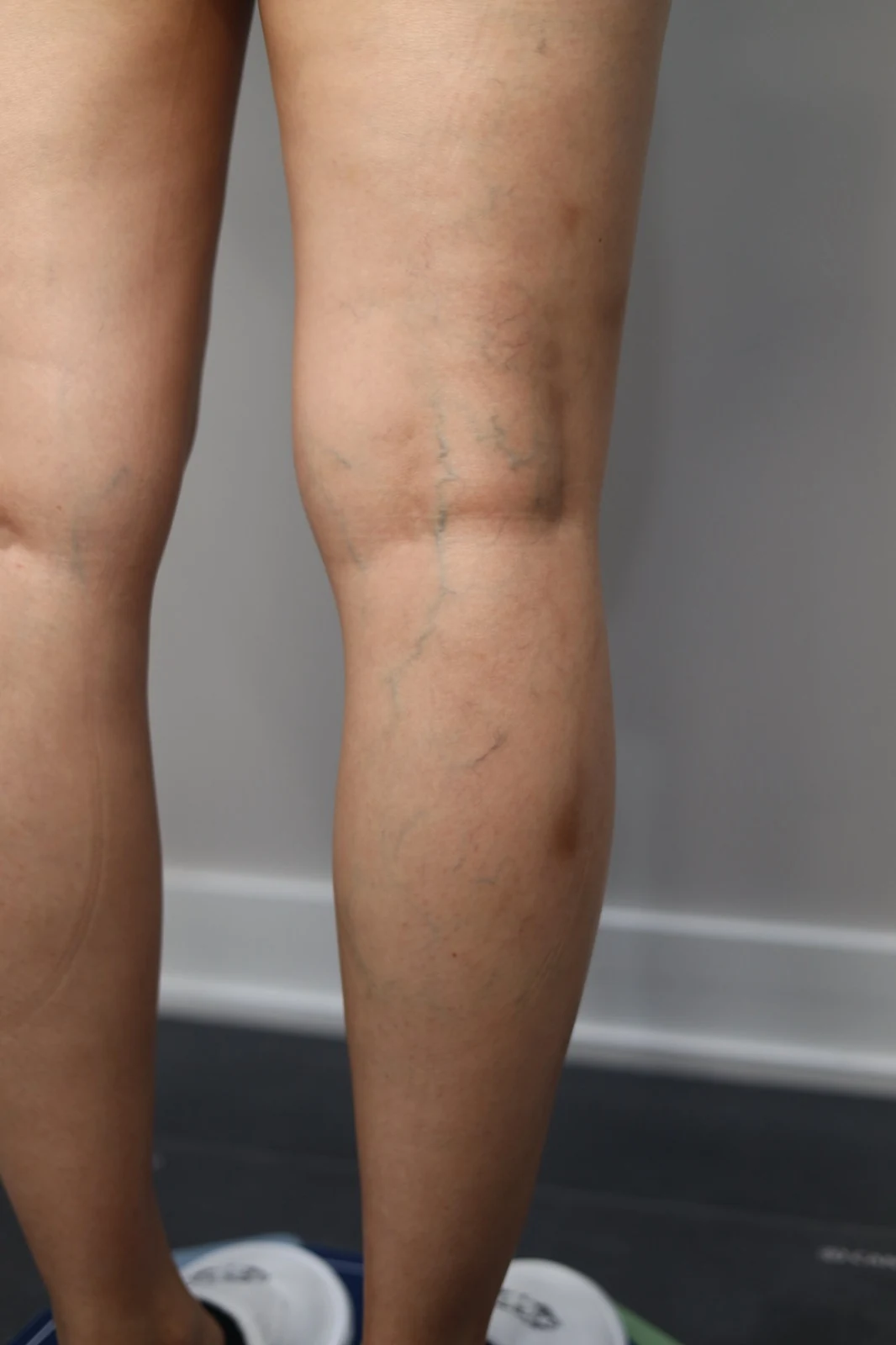
What are varicose veins?
Varicose veins are enlarged, twisted blood vessels just beneath the skin, most commonly on the legs and feet. They develop when the valves that keep blood moving toward the heart stop working correctly. Blood pools inside the vessel and causes it to stretch and bulge.
The underlying problem is called venous insufficiency. It’s the source of both the visible veins and the symptoms that come with them — and without treatment, it progresses over time.
Common symptoms
- Visible bulging, twisted, or cord-like veins
- Leg heaviness or fatigue after standing
- Aching, throbbing, or cramping in the lower legs
- Swelling in the ankles or feet by day’s end
- Itching or burning around visible veins
- Skin discoloration or thickening near the ankles
- Leg ulcers or slow-healing wounds
- Restless legs, particularly at night
What causes varicose veins?
They develop when the one-way valves inside the leg veins weaken or fail. Several factors make that more likely.
Genetics
A family history is the strongest single predictor. Many patients discover a parent or grandparent had the same condition.
Standing or sitting for long periods
Jobs that keep you on your feet or at a desk put continuous pressure on the leg veins.
Pregnancy
Hormonal changes and increased blood volume stretch blood vessels and are a common trigger.
Age
Vein valves weaken naturally over time.
Weight
Excess body weight increases pressure on the venous system in the lower body.
Prior DVT
Clotting in the deep veins can permanently damage valve function.
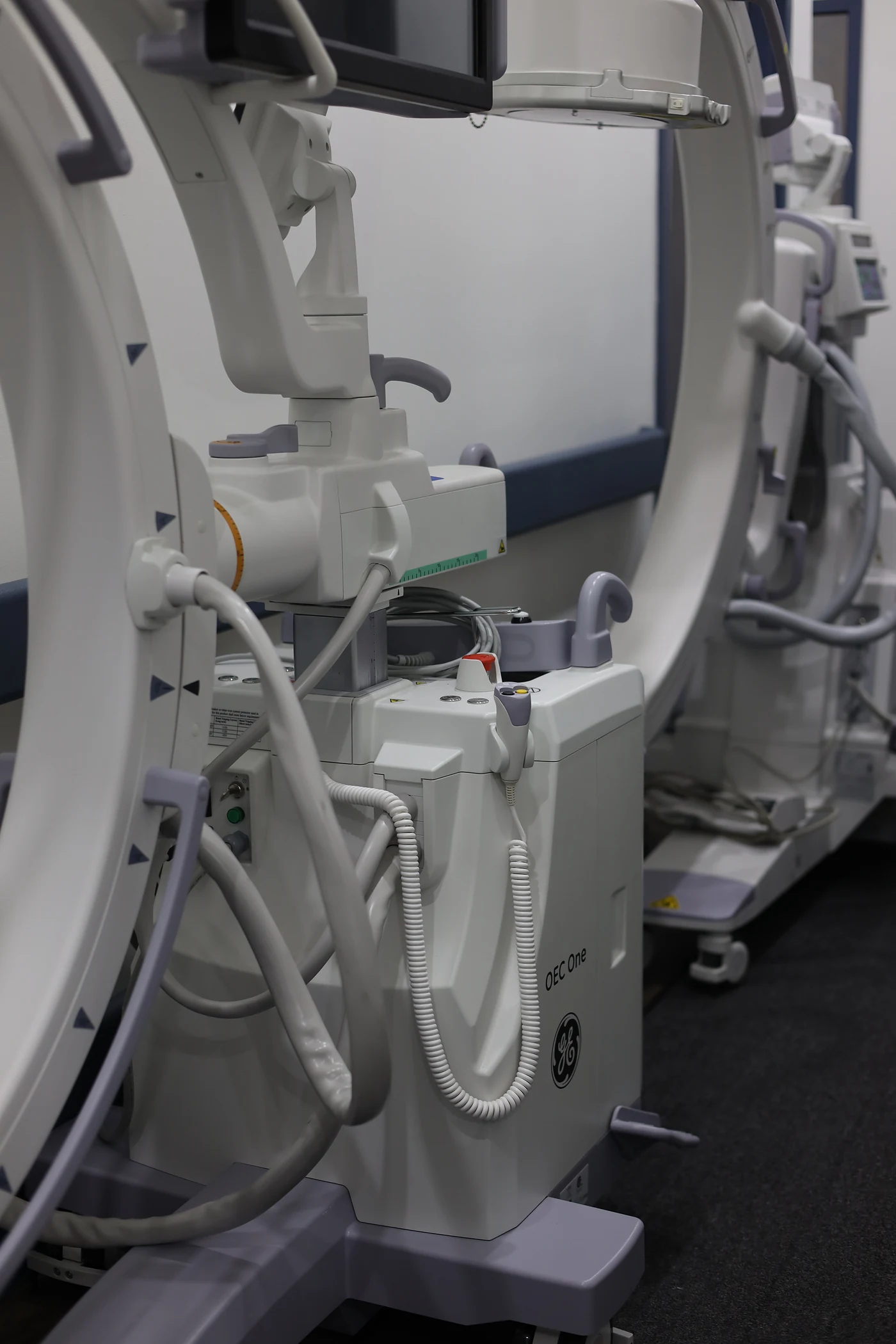
How Dr. Elbaridi diagnoses vein conditions
A visual exam alone isn’t enough. Diagnosis begins with a duplex vascular ultrasound — a non-invasive study that measures blood flow direction and velocity, identifies which vessels have valve failure, and shows whether the problem starts in the deep or superficial venous system.
You’ll stand for the study so gravity fully loads the venous system and reflux is clearly visible. Arrive hydrated and skip caffeine beforehand; the scan typically takes 30 to 60 minutes.
Dr. Elbaridi reviews the results personally. The consultation isn’t rushed — he reviews your full history, imaging, and symptoms before presenting your options.
Non-surgical vein treatments
The right approach depends on the size and location of the affected veins, the severity of venous insufficiency, and your health history.
Endovenous laser ablation
A thin laser fiber closes the affected vein through a small entry point. Blood reroutes through healthy vessels immediately. About 45 minutes under local anesthesia; most patients resume normal activity the same day.
Radiofrequency ablation
Controlled radiofrequency heat closes the great and small saphenous veins. Procedure time and same-day recovery are comparable to EVLT, and both are covered by most plans when insufficiency is confirmed.
More about RFAVenaSeal
A medical-grade adhesive seals the vein. With no heat involved, tumescent anesthesia isn’t needed — a preferred option for minimizing discomfort. Most patients return to normal activity the same day.
More about VenaSealVarithena
Under ultrasound guidance, a medicated microfoam is injected through a single needle puncture, filling the vein so it collapses and seals shut — no heat and no incisions.
More about VarithenaSclerotherapy
A sclerosing solution is injected into smaller varicose and spider veins so they’re gradually reabsorbed. Ultrasound-guided sclerotherapy reaches deeper veins not visible at the surface.
More about sclerotherapyMicrophlebectomy
Surface varicose veins not suited to ablation are removed through tiny entry points that don’t require sutures — often performed alongside ablation for a complete result.
Which treatment is right for me?
It depends on your anatomy and diagnosis. Your vein consultation answers that before you commit to anything.
Book a vein evaluationWhy Chicago patients choose our vein clinic
Vein specialists, not generalists
Vein care is a core part of Dr. Elbaridi’s practice, not an occasional service. Vein closure procedures (EVLT, RFA, VenaSeal and Varithena) are done under ultrasound guidance.
Insurance-covered vein evaluation
Vein evaluations are typically covered by insurance when medically necessary. We verify your benefits before your visit, and you’ll know whether treatment is needed before committing.
Same-week appointments
Book a vein evaluation online at either location.
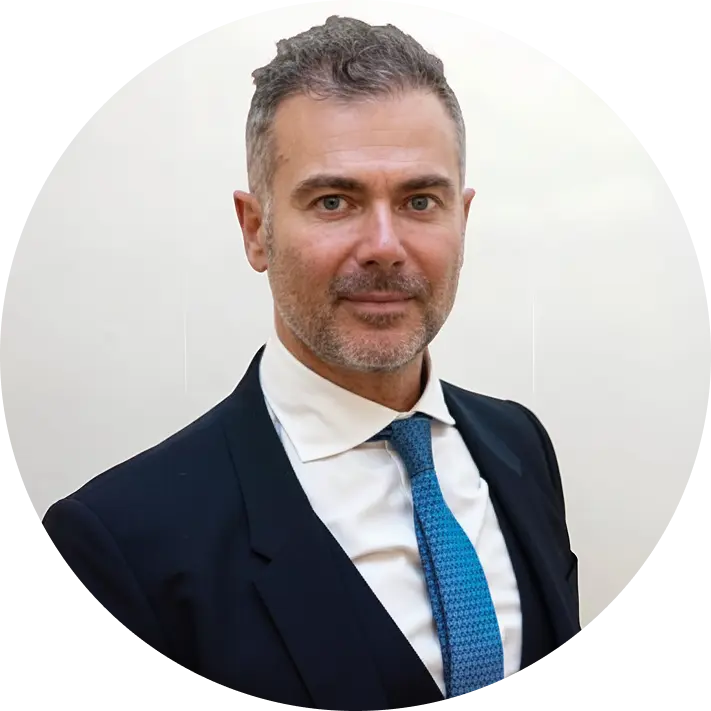
Dr. Nidal Elbaridi, MD
- Harvard Medical School phlebology training (2015)
- Medtronic VenaSeal and radiofrequency ablation certification (2019)
- Boston Scientific Varithena certification (2023)
What Chicago patients say about Loop
Dr. Elbaridi and the entire team are truly exceptional. Their bedside manner and genuine care make you feel like more than just another patient…
I’ve been coming to Loop Medical Center for my vein procedures with Dr. Nidal, and I couldn’t be more impressed…
Is vein treatment covered by insurance?
Varicose vein treatment is covered by most Medicare, PPO, and HMO plans when medically necessary — typically after duplex ultrasound confirms venous insufficiency with documented symptoms. Purely cosmetic spider vein treatment is generally not covered.
Varicose vein questions, answered
Can varicose veins be treated without surgery?
Yes. Every varicose vein treatment at Loop Medical Center is non-surgical. EVLT, RFA, VenaSeal, Varithena, and sclerotherapy are performed in-office, typically take under an hour, and require no general anesthesia. Most patients return to normal activity the same day.
Can varicose veins come back after treatment?
A vein that has been successfully closed usually stays closed. However, new varicose veins can develop over time if the underlying tendency toward venous insufficiency continues. Compression stockings, regular movement, and periodic follow-up help manage long-term recurrence.
What’s the difference between varicose veins and spider veins?
Varicose veins are larger, deeper vessels with valve failure and backward blood flow. Spider veins are smaller surface vessels that often appear because of the same insufficiency feeding the varicose veins. Treating spider veins without correcting the underlying problem usually produces temporary results.
How do I know if my veins are a medical problem or just cosmetic?
A duplex vascular ultrasound is the only reliable way to tell whether your veins have valve failure and backward flow. Many patients with visible spider veins have underlying venous insufficiency they aren’t aware of. Dr. Elbaridi evaluates both the cosmetic and medical picture during your vein consultation.
Book your appointment at Loop Medical Center
Same-week appointments at our South Loop and Streeterville locations.