
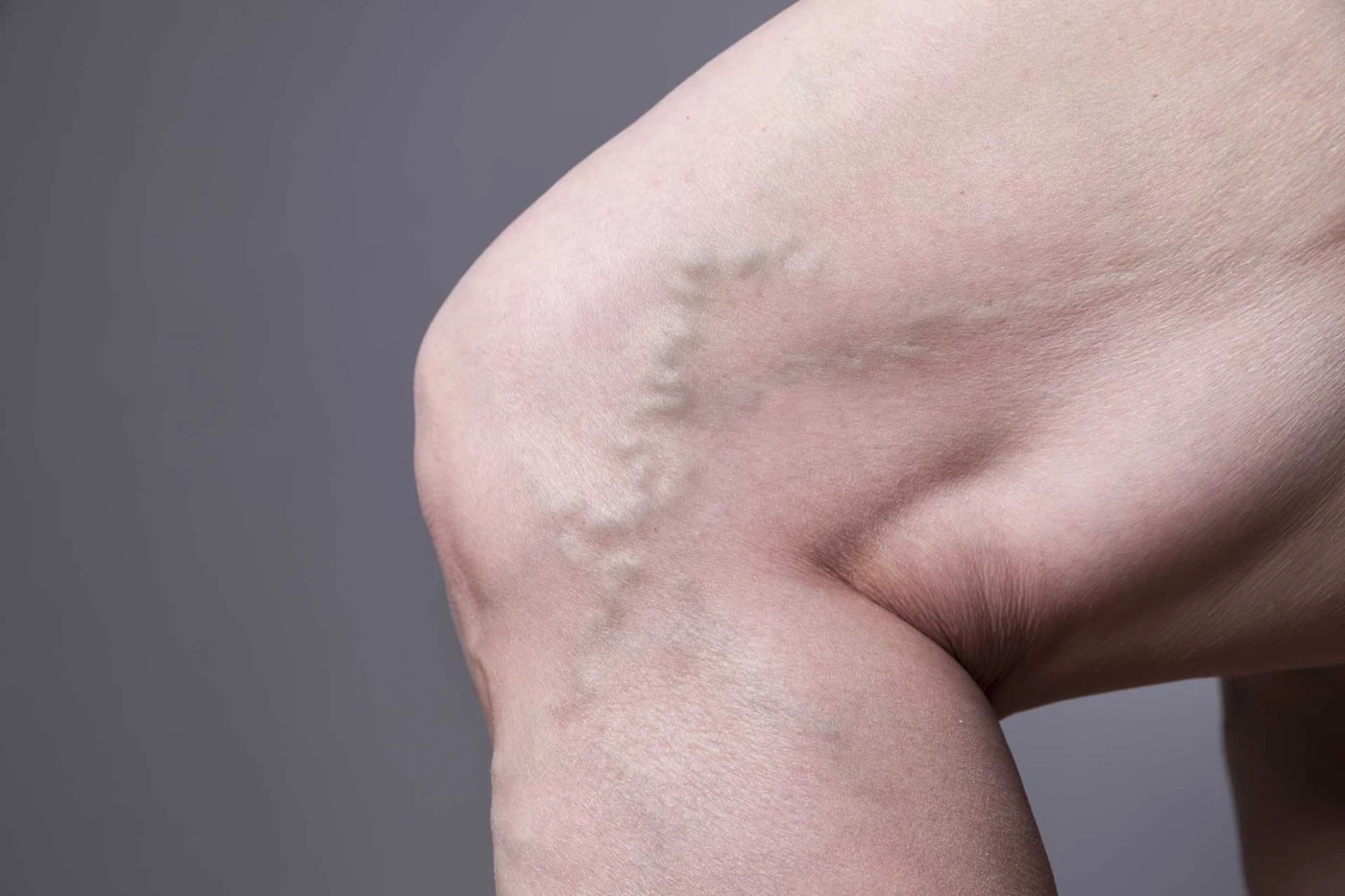
If you have been searching for how to remove varicose veins without surgery, the good news is that surgery is not the standard of care anymore. The most effective treatments available today are minimally invasive, performed in an office setting, usually need little downtime, and are covered by most insurance plans.
The confusion comes from the word “surgery.” Many people assume that removing varicose veins means going to a hospital, being put under general anesthesia, and spending weeks recovering. That picture is outdated. Modern vein treatment has nothing in common with it.
Dr. Nidal Elbaridi treats varicose veins at Loop Medical Center using procedures that take under an hour, require no incision, and allow most patients to walk out of the office and return to normal activities the same day. This article explains what the non-surgical options are, what actually works versus what does not, and when it is time to stop managing symptoms and start treating the source.
Can You Remove Varicose Veins Without Surgery?
Yes. The three most effective treatments for varicose veins, sclerotherapy, endovenous laser treatment (EVLT), and radiofrequency ablation, are all non-surgical procedures performed in a medical office. None require general anesthesia, hospital admission, or significant recovery time. These are not experimental treatments. They are the current standard of care recommended by vascular specialists and covered by most insurance plans when the condition meets medical necessity criteria.
What these treatments cannot do is prevent new varicose veins from forming in the future. The underlying tendency toward venous insufficiency, the weakening of vein valves that causes blood to pool, is genetic and progressive. Treating existing varicose veins closes the affected vessels. Managing the underlying condition and monitoring for new vein development is an ongoing process.
What Works and What Does Not
Before covering the treatments that actually remove varicose veins, it is worth addressing the searches that bring many people to this topic in the first place.
Creams and Topical Products
No cream removes varicose veins. Varicose veins are structural problems inside the vein wall. The valve has failed and blood is pooling. A topical product cannot reach the interior of a vein or repair a damaged valve. Creams marketed for varicose veins may temporarily reduce the appearance of surface-level spider veins or relieve minor skin irritation, but they do not treat the underlying vein or produce lasting cosmetic or medical improvement.
Turmeric and Natural Remedies
Turmeric, apple cider vinegar, essential oils, and similar remedies appear frequently in searches about varicose veins. There is no clinical evidence that any of these treatments shrink, close, or remove varicose veins. Some anti-inflammatory supplements may modestly support vascular health in general, but they do not address the structural valve failure that causes varicose veins and will not produce visible results.
Compression Stockings
Compression stockings are a legitimate and evidence-based intervention, but they manage symptoms rather than remove veins. Wearing compression stockings improves circulation in the legs, reduces swelling, and relieves the aching, heaviness, and fatigue that varicose veins cause. They are often the first step in treatment and may be required by insurance before a procedure is approved. However, when you stop wearing them, the symptoms return. They do not close or eliminate the affected veins.
Lifestyle Changes
Elevating the legs, exercising regularly, maintaining a healthy weight, and avoiding prolonged periods of sitting or standing all reduce the pressure on the leg veins and help manage symptoms. These habits are worth maintaining and may slow the progression of venous insufficiency. Like compression stockings, they address the symptoms and reduce strain on the veins but do not remove the affected vessels.
Non-Surgical Treatments That Actually Remove Varicose Veins
Sclerotherapy
Sclerotherapy is an injectable treatment for varicose veins and spider veins. A sclerosant solution is injected directly into the affected vein, irritating the vein wall and causing it to collapse and seal shut. The body gradually absorbs the closed vein over several weeks, and the blood is naturally rerouted through healthier vessels.
Sclerotherapy is performed in the office with no anesthesia. A session typically takes 15 to 45 minutes depending on the number of veins being treated. Multiple sessions may be needed for larger areas. It is one of the most effective treatments for small to medium varicose veins and spider veins and has been used safely for decades.
Endovenous Laser Treatment (EVLT)
Endovenous laser treatment is the current gold standard for treating larger varicose veins and the underlying venous insufficiency that causes them. A thin laser fiber is inserted into the affected vein through a small entry point in the skin. The laser delivers targeted energy that heats the vein wall, causing it to collapse and close. The procedure is performed under local anesthesia with ultrasound guidance.
EVLT takes approximately 45 to 60 minutes. Patients go home after the procedure and can usually return to light activity the same day. The treated vein is gradually absorbed by the body over several weeks. Studies consistently show high success rates and low recurrence with EVLT.
Radiofrequency Ablation (RFA)
Radiofrequency ablation works on the same principle as EVLT but uses radiofrequency energy rather than laser energy to heat and close the vein. A thin catheter is inserted into the vein under ultrasound guidance and delivers controlled thermal energy along the length of the vessel.
RFA and EVLT produce comparable outcomes. Some patients tolerate RFA with less post-procedure bruising or discomfort. The choice between the two is based on the specific anatomy of the vein and Dr. Elbaridi’s clinical assessment of which approach is best suited to your case.
Is Varicose Vein Treatment Covered by Insurance?
In most cases, yes. When varicose veins are causing symptoms such as pain, swelling, heaviness, cramping, or skin changes, treatment is considered medically necessary rather than cosmetic. Most PPO plans, Medicare, and Medicare Advantage plans cover sclerotherapy, EVLT, and radiofrequency ablation for symptomatic varicose veins. A period of conservative treatment with compression stockings is typically required before a procedure will be approved.
Spider veins treated purely for cosmetic reasons are generally not covered.
Loop Medical Center will verify your insurance benefits before your appointment and walk you through any prior authorization requirements. Call (312) 414-1088 to start the process.
What Happens If Varicose Veins Are Not Treated?
Varicose veins do not go away on their own and do not improve without treatment. The underlying venous insufficiency is progressive. Without intervention, the condition typically worsens over time and can lead to:
- Increasing pain, heaviness, and swelling in the affected leg
- Skin changes including discoloration, thickening, and hardening of the skin near the ankle
- Venous eczema and chronic skin irritation
- Venous ulcers, which are open wounds near the ankle that are slow to heal and prone to infection
- Superficial thrombophlebitis, inflammation and clotting in the varicose vein itself
- In more serious cases, an increased risk of deep vein thrombosis (DVT)
Early treatment is significantly more straightforward than treating complications from long-standing untreated venous disease. If your varicose veins are causing symptoms, waiting does not make the eventual treatment easier.
When to See Dr. Elbaridi
Schedule a vein evaluation at Loop Medical Center if:
- You have visible varicose veins that are causing aching, heaviness, cramping, or swelling
- Your legs feel worse after prolonged standing or sitting and better when elevated
- You have noticed skin changes near your ankles or lower leg
- You have already been using compression stockings and are ready to discuss a procedure
- Your varicose veins appeared or worsened during pregnancy
- You want an evaluation to understand your options before deciding on a treatment path
Loop Medical Center accepts most PPO plans, Medicare, Medicare Advantage, and HMO plans. Workers Compensation and Personal Injury cases accepted. Same-week appointments available at both Chicago locations.
Frequently Asked Questions
Can you remove varicose veins naturally?
No treatment classified as natural removes varicose veins. Lifestyle changes including compression stockings, leg elevation, exercise, and maintaining a healthy weight can reduce symptoms and slow progression, but they do not close or eliminate the affected veins. Topical creams, herbal supplements, and remedies like turmeric have no clinical evidence supporting their ability to remove varicose veins. The only treatments that actually remove varicose veins are medical procedures: sclerotherapy, endovenous laser treatment, and radiofrequency ablation.
Is varicose vein treatment permanent?
A successfully treated vein usually stays closed. However, varicose veins are caused by an inherited tendency toward venous insufficiency, and new varicose veins can develop in untreated vessels over time. Treatment is highly effective at eliminating the current problem, but follow-up monitoring and continued use of compression stockings between treatments can help manage the underlying condition. Most patients who are treated early and appropriately experience long-term improvement.
What happens if varicose veins are not removed?
Varicose veins are progressive. Without treatment, symptoms typically worsen over time and can advance to skin discoloration, chronic swelling, venous eczema, and in severe cases, venous ulcers near the ankle. There is also an elevated risk of superficial thrombophlebitis and, in some patients, deep vein thrombosis. Early treatment is more straightforward and produces better outcomes than treating the complications of long-standing venous disease.
Can you get rid of varicose veins without an operation?
Yes. The standard treatments for varicose veins today are not operations in the traditional sense. Sclerotherapy involves a series of injections in the office with no anesthesia or incision. Endovenous laser treatment and radiofrequency ablation are performed through a small entry point in the skin under local anesthesia, take less than an hour, and require no hospital stay. Patients walk out of the office the same day. None of these procedures involve the vein stripping surgery that many people picture when they think of varicose vein treatment.
Ready to Treat Your Varicose Veins?
If your varicose veins are causing symptoms or you are ready to understand your options, Dr. Elbaridi will evaluate your veins, explain exactly what is happening, and recommend the most effective non-surgical treatment for your situation.
Call: (312) 414-1088
South Loop: 1921 S Michigan Ave, Chicago, IL 60616
Streeterville: 432 E Grand Ave, Ste A, Chicago, IL 60611
Most insurance accepted, including Medicare, Medicare Advantage, PPO and HMO plans. Coverage depends on medical necessity — we verify before your visit.
Medically reviewed by Dr. Nidal Elbaridi, Interventional Pain Management Physician, Loop Medical Center, Chicago. Last updated: July 2026.