
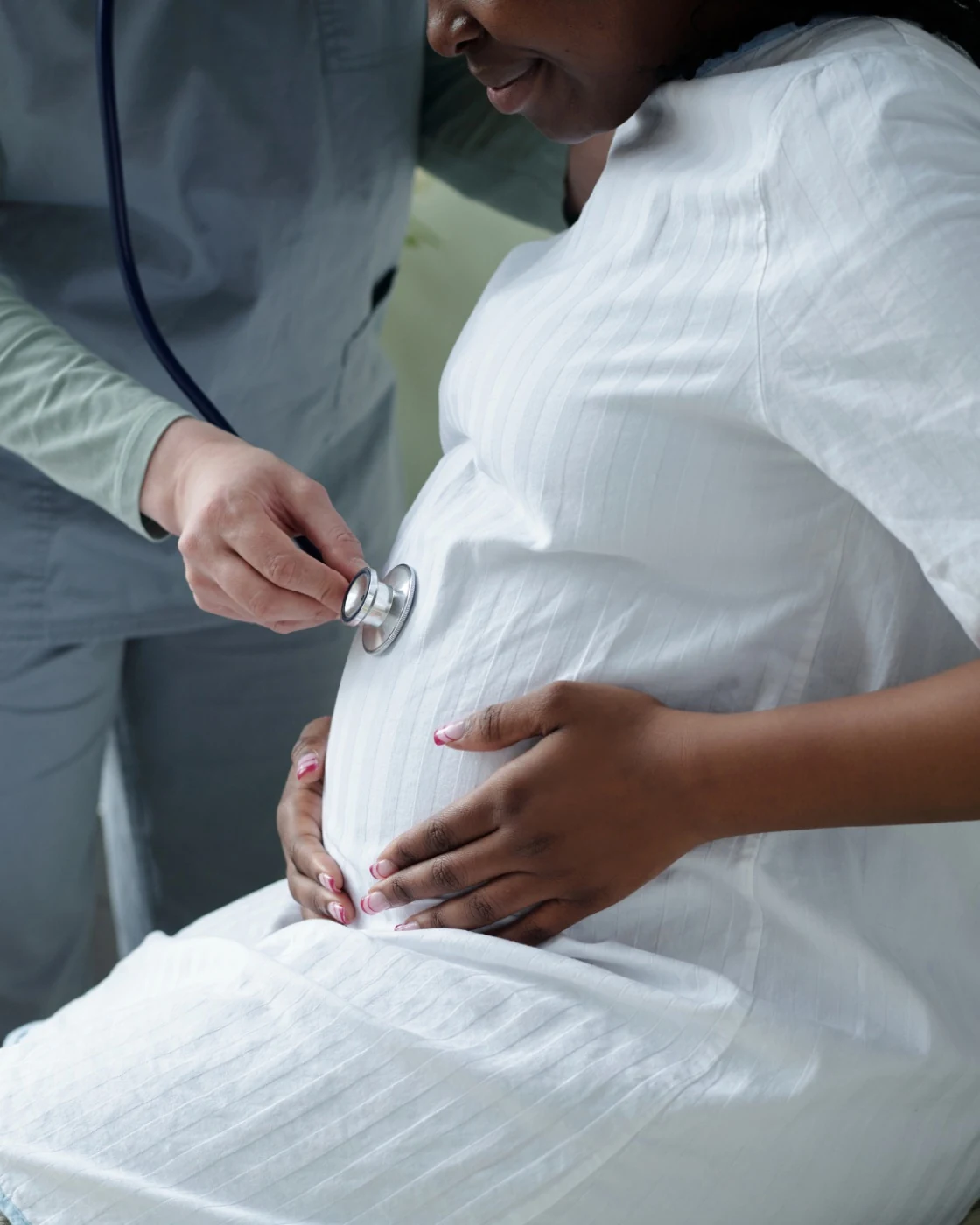
She has had painful periods since she was a teenager. She mentioned it at a checkup once and was told it was normal. She mentioned it again a few years later and was given ibuprofen. By her late twenties, the pain was showing up outside of her period and she started wondering if something was actually wrong. Her doctor ran some basic labs. Everything came back fine. She was told to manage her stress.
This story is not unusual. It is one of the most common paths women take before they finally receive a diagnosis. And for many women, that diagnosis arrives years later than it should, only because they kept pushing.
Pelvic pain in women is not a vague complaint. It is a symptom with identifiable causes, specific treatment pathways, and a long history of being minimized in clinical settings. Dr. Nidal Elbaridi sat down with two women’s health specialists on Episode 4 of Inside the Loop to talk about what is really going on, and what patients deserve to hear.
What Is Pelvic Pain in Women?
Pelvic pain in women refers to pain in the lower abdominal region, the pelvis, or the reproductive structures. It can be acute, meaning it comes on suddenly with a clear cause, or chronic, meaning it persists for six months or longer. Chronic pelvic pain affects roughly one in seven women and is one of the most common reasons women seek gynecologic care.
The pain can be constant or intermittent, tied to the menstrual cycle or completely unrelated to it. It can feel like pressure, cramping, burning, or a sharp localized ache. In many cases it travels: down into the legs, into the lower back, or into the hips. The location and character of the pain are important diagnostic clues. They point toward different underlying structures and different treatment approaches, which is why a thorough history and physical exam, not a lab panel alone, is the starting point for any serious evaluation.
The Most Common Causes of Chronic Pelvic Pain
Endometriosis
Endometriosis is a condition in which tissue similar to the uterine lining grows outside the uterus. Each menstrual cycle, this tissue behaves the same way the uterine lining does: it swells, breaks down, and has nowhere to go. The result is inflammation, adhesions, and pain that can become severe over time.
Dr. Nicole Williams, an OBGYN specializing in pelvic pain and endometriosis, explained in the podcast that she can identify endometriosis in nine out of ten cases simply by listening to the patient’s history. The pattern is consistent: debilitating periods that began in the teenage years, pain that is localized to a specific spot, and symptoms that expand beyond the menstrual cycle as the condition progresses.
One of the most important updates in endometriosis research is that the disease starts developing in a woman’s twenties, not her thirties as was previously assumed. Many women have been living with undiagnosed endometriosis for a decade or more by the time they receive an answer.
Painful periods are not normal. That is the first thing Dr. Williams wants patients to understand.
Pelvic Floor Dysfunction
The pelvic floor is a group of muscles, ligaments, and connective tissue that supports the bladder, bowel, and reproductive organs. When these muscles are too tight, too weak, or fail to coordinate properly, the result is pelvic floor dysfunction.
Symptoms include chronic pelvic pain, pain during intercourse, difficulty with bowel or bladder function, and pressure in the pelvic region. Pelvic floor dysfunction is frequently missed because it does not show up on standard imaging and requires a specific physical examination to identify.
Treatment begins conservatively: pelvic floor physical therapy, which uses targeted exercises and manual techniques to restore proper muscle function. When physical therapy alone is not enough, trigger point injections directly into the affected pelvic floor muscles can release the tension sustaining the pain cycle.
Uterine Fibroids and Ovarian Cysts
Uterine fibroids are noncancerous growths that develop in or around the uterus. They can cause heavy periods, lower abdominal pain, pressure in the pelvis, and in some cases nerve compression that creates pain radiating into the leg. Dr. Williams noted that patients with large fibroids often experience tingling and numbness in the lower body because the fibroid is pressing directly on the sacral nerves.
Ovarian cysts are fluid-filled sacs on or inside the ovary. Many resolve on their own. Some cause significant pelvic pain, particularly if they rupture or grow large enough to compress surrounding structures. A transvaginal ultrasound is the standard diagnostic tool for both conditions.
Pelvic Inflammatory Disease
Pelvic inflammatory disease is an infection of the reproductive organs, typically caused by bacteria that travel upward from the cervix. It causes lower abdominal pain, fever, unusual discharge, and pain during intercourse. It is treatable with antibiotics but can cause lasting damage to the fallopian tubes if not caught early.
Nerve Pain and Musculoskeletal Causes
Not all pelvic pain originates from the reproductive organs. The nerves that supply the pelvis travel through the lumbar and sacral spine. Compression at that level from a herniated disc, spinal stenosis, or sacroiliac joint dysfunction can produce pain that presents entirely in the pelvic region with no gynecologic findings at all.
This is where interventional pain medicine intersects with women’s health. Dr. Elbaridi treats pelvic and perineal nerve pain through nerve blocks that target structures a gynecologist cannot reach surgically. For patients who have been through a full gynecologic workup and are still in pain, a pain management evaluation often reveals what has been missing.
Why Women’s Pain Gets Dismissed
Both Dr. Williams and Dr. Murphy addressed this directly in the podcast, and it matters.
Women are more likely than men to have their pain attributed to anxiety, stress, or emotional causes. Black women, as Dr. Williams stated plainly, face this dismissal at a higher rate than any other group. They are less likely to receive adequate pain evaluation, less likely to be referred to a specialist, and more likely to be told that what they are experiencing is normal or psychological.
The result is delayed diagnosis. For endometriosis, the average delay between symptom onset and diagnosis has historically been seven to ten years. Seven to ten years of a woman being told her pain is manageable, expected, or imagined.
Dr. Elbaridi sees this pattern regularly in his own practice: patients who arrive having already seen multiple providers, who have been labeled as difficult or as drug-seekers, who have simply been overlooked. A thorough clinical evaluation, one that actually listens and examines, often identifies a real and treatable condition within the first visit.
If your pain has been dismissed, that dismissal is not a diagnosis. You deserve a proper evaluation.
Treatment Options for Pelvic Pain in Women
Treatment depends on the underlying cause, but most patients benefit from a staged approach that begins with the least invasive option and escalates only when needed.
Hormonal therapy. For endometriosis, hormonal therapy reduces or stops the menstrual cycle, which interrupts the inflammatory cycle that drives the condition. Dr. Williams frames this for her patients as a system override: suppressing the monthly hormonal fluctuation that feeds the endometrial tissue. Oral contraceptives, hormonal IUDs, and pellet therapy are all used depending on the patient’s goals and circumstances.
Pelvic floor physical therapy. Pelvic floor PT is one of the most underutilized treatments in women’s pain management. A trained pelvic floor therapist works directly with the muscles and connective tissue of the pelvis using manual techniques. Results can be significant, but consistency is required. As Dr. Williams and Dr. Murphy both said in the episode: when you find a good pelvic floor therapist, you keep them.
Trigger point injections. For patients with pelvic floor dysfunction who are not responding to physical therapy alone, trigger point injections into the overactive pelvic floor muscles can break the pain cycle and allow the muscles to reset. These can be performed by a gynecologist or an interventional pain physician depending on which structures are involved.
Nerve blocks. When pelvic pain has a neurogenic component, nerve blocks targeting the pudendal nerve, the hypogastric plexus, or the sacral nerve roots can provide significant relief. These are interventional procedures performed under imaging guidance by a pain physician.
Minimally invasive surgery. For endometriosis that has not responded to conservative management, laparoscopic surgery to remove endometrial implants and adhesions is performed by specialists in minimally invasive gynecologic surgery. This is not a first-line treatment, but it is the right choice for the right patient at the right time.
Inside the Loop Episode 4: Women, Pain, and Why It Goes Unheard
Episode 4 of Inside the Loop brought together three physicians to talk honestly about what is happening in their exam rooms and what they want patients to know.
Dr. Nicole Williams is a gynecologic surgeon specializing in endometriosis, pelvic pain, and minimally invasive gynecologic surgery. She is also the author of “This Is How You Vagina,” an accessible guide to women’s gynecologic health written for patients, not providers.
Dr. Courtney Murphy is a fertility medicine physician at Pinnacle Fertility in Chicago, located in the same building as Loop Medical Center. She treats patients navigating infertility, the intersection of endometriosis and conception, and the full spectrum of pain that accompanies fertility treatment.
The episode covers endometriosis diagnosis and treatment, pelvic floor dysfunction, why women’s pain gets dismissed, pain management during IVF, hormonal therapy, GLP-1 medications before surgery, and post-pregnancy pelvic pain and nerve compression.
Watch the full episode:

About our guests:
Dr. Nicole Williams — OBGYN, Pelvic Pain and Endometriosis Specialist
Author of “This Is How You Vagina” — available on Amazon!
Dr. Courtney Murphy — Fertility Medicine Physician, Pinnacle Fertility Chicago
When to See Dr. Elbaridi for Pelvic Pain
Dr. Elbaridi evaluates and treats pelvic pain when the source has a musculoskeletal, spinal, or neurogenic component, when gynecologic treatment has not fully resolved the pain, or when the patient needs a pain management approach alongside ongoing gynecologic care.
Consider scheduling an evaluation if:
- You have chronic pelvic pain that has not been resolved by gynecologic treatment alone
- You have been told your pain has no identifiable cause and want a second clinical perspective
- Your pelvic pain radiates into your lower back, hips, or legs
- You have a diagnosis of endometriosis or pelvic floor dysfunction and are looking for additional pain relief beyond what your OBGYN can offer
- You are postpartum and experiencing persistent nerve pain, pelvic pressure, or lower extremity symptoms that have not resolved
Loop Medical Center treats patients across all insurance types, including Workers Compensation and Personal Injury cases. Same-week appointments available at both Chicago locations.
Frequently Asked Questions
What is the most common cause of chronic pelvic pain in women?
Endometriosis is one of the most frequently identified causes of chronic pelvic pain in women, affecting roughly one in ten women of reproductive age. Other common causes include pelvic floor dysfunction, uterine fibroids, ovarian cysts, and nerve compression originating from the lumbar or sacral spine. Because these conditions can overlap and produce similar symptoms, a thorough physical exam is more useful than imaging alone for reaching an accurate diagnosis.
How do I know if my period pain is normal?
Period pain that prevents you from going to work, school, or your regular activities is not normal. Cramping that requires prescription medication or high doses of over-the-counter pain relievers to manage is not normal. If your periods have been this painful since you were a teenager, that pattern is worth evaluating. Many women with endometriosis spend years believing their pain level is typical because they were told so by a provider. It is not.
Can pelvic pain be caused by a back or spine problem?
Yes. The nerves that supply sensation to the pelvis travel through the lumbar and sacral spine. A herniated disc, spinal stenosis, or sacroiliac joint dysfunction can produce pain that feels entirely pelvic with no gynecologic cause. Patients who have had a complete gynecologic workup without a clear diagnosis should consider a pain management evaluation to rule out spinal or nerve-based contributors.
What is pelvic floor dysfunction and how is it treated?
Pelvic floor dysfunction occurs when the muscles of the pelvic floor are too tight, too weak, or poorly coordinated. It causes pain, pressure, and difficulty with bladder and bowel function. Treatment typically begins with pelvic floor physical therapy. When PT alone is not sufficient, trigger point injections into the overactive muscles can provide additional relief. In some cases, a nerve block targeting the pudendal nerve is the appropriate next step.
Is there a connection between endometriosis and infertility?
Yes. Endometriosis can affect fertility by causing inflammation, adhesions, and structural changes around the fallopian tubes and ovaries. Women with endometriosis who are trying to conceive should be evaluated by both a gynecologic specialist and a fertility physician. Suppressing the endometriosis before fertility treatment can improve outcomes in select patients.
What pelvic pain treatments does Loop Medical Center offer?
Dr. Elbaridi treats pelvic pain with a nerve-focused, minimally invasive approach. This includes pudendal nerve blocks, hypogastric plexus blocks, sacral nerve root injections, and trigger point injections for pelvic floor muscle involvement. He also evaluates and treats spinal contributors to pelvic symptoms and works collaboratively with gynecologists and pelvic floor physical therapists to coordinate care around the full clinical picture.
Ready to Be Evaluated?
If you have been living with pelvic pain and feel like you have not gotten a real answer yet, call us. Dr. Elbaridi will review your history, examine what is actually happening, and tell you honestly where the pain is coming from and what can be done about it.
Call: (312) 414-1088
Schedule your Varicose Vein Treatment
South Loop: 1921 S Michigan Ave, Chicago, IL 60616
Streeterville: 432 E Grand Ave, Ste A, Chicago, IL 60611
Medically reviewed by Dr. Nidal Elbaridi, Interventional Pain Management Physician, Loop Medical Center, Chicago. Last updated: May 2026.